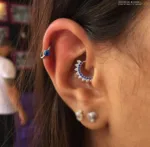
A helix piercing is one of the most stylish and popular cartilage piercings. but it’s also one of the most misunderstood when it comes to healing time. Many people expect it to heal as fast as a lobe piercing, only to face swelling, irritation bumps, or delayed healing weeks later.
If you’re asking “How long does a helix piercing take to heal?”, you’re in the right place.
This 2026 updated week-by-week guide breaks down exactly what happens during helix piercing healing, what’s normal vs. concerning, and how to heal faster while avoiding common mistakes. Whether you just got pierced or you’re planning one, this guide will walk you through every stage with confidence.
Table of Contents
What Is a Helix Piercing?
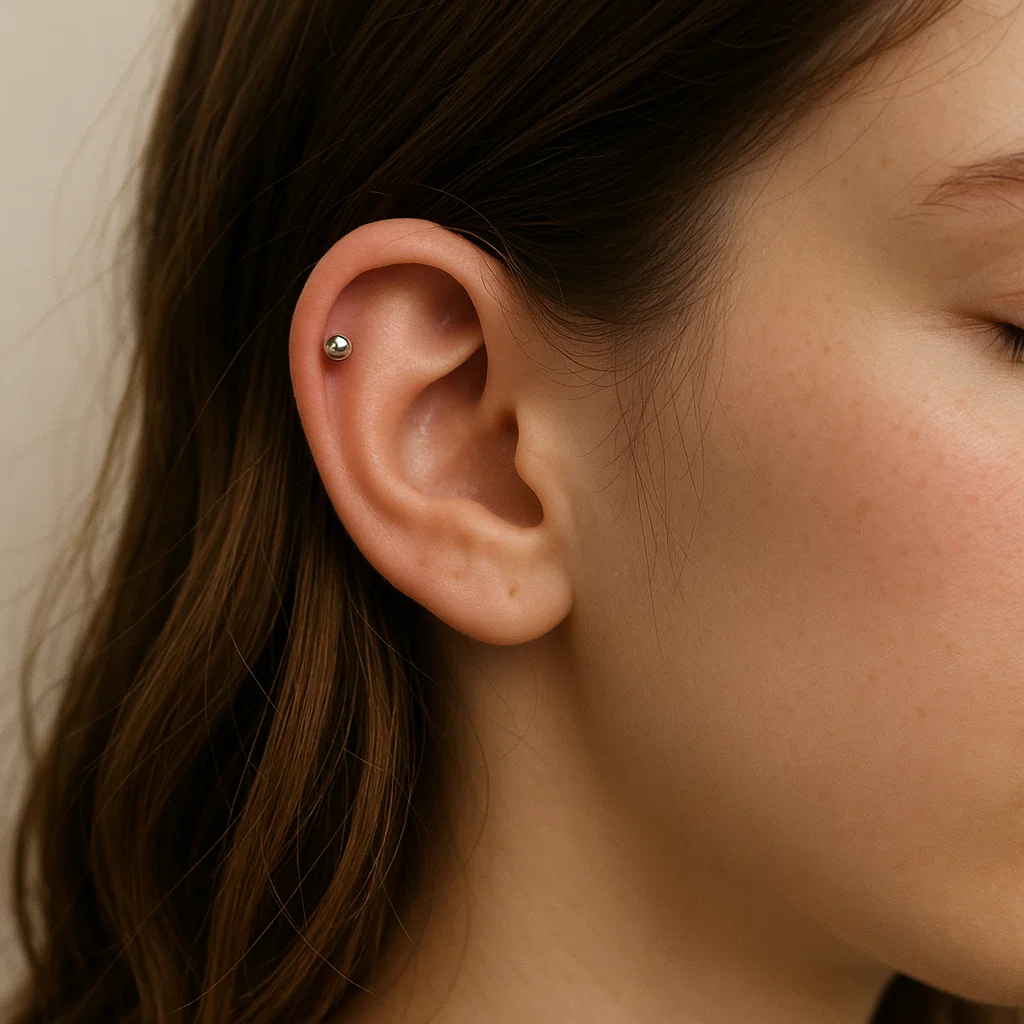
A helix piercing is placed through the upper cartilage of the ear. Unlike earlobe piercings, cartilage has less blood flow, which makes healing slower and more delicate.
Popular Helix Variations
- Single helix piercing
- Double or triple helix
- Forward helix
- Flat helix
Because cartilage is firm and less forgiving, helix piercings require patience, consistent aftercare, and proper jewelry to heal correctly
How Long Does a Helix Piercing Take to Heal?

Average Healing Time
| Healing Stage | Time Frame |
|---|---|
| Initial healing | 6–8 weeks |
| Reduced sensitivity | 3–4 months |
| Full healing | 6–12 months |
⚠️ Important:
A helix piercing may look healed after a few months, but internally it can still be fragile. Removing jewelry too early is one of the biggest causes of complications.
Helix Piercing Healing Timeline (Week by Week)
Week 1: Fresh Piercing Phase
What’s normal:
- Swelling
- Redness
- Tenderness
- Slight bleeding or warmth
What to do:
- Clean twice daily with sterile saline
- Avoid touching or twisting
- Sleep on the opposite side
This is the most sensitive stage. Treat your piercing like a fresh wound.
Week 2–3: Swelling Stabilizes
What’s normal:
- Mild itching
- Clear or pale yellow lymph fluid
- Occasional soreness
Avoid:
- Headphones pressing on the ear
- Hair products near the piercing
- Sleeping directly on it
Healing is progressing, but cartilage is still vulnerable.
Week 4–6: Early Healing Stage
What’s normal:
- Less pain
- Occasional sensitivity
- Minor crusting
🚫 Do not change jewelry yet, even if it feels fine.
This stage is where many people get careless—don’t.
Month 2–3: False “Healed” Stage
Your piercing may feel healed. but it’s not.
Common mistakes:
- Changing jewelry too early
- Sleeping on it regularly
- Skipping cleaning
Internally, cartilage is still repairing itself.
Month 4–6: Strengthening Phase
Signs of progress:
- No daily soreness
- Less swelling after irritation
- Jewelry moves comfortably
At this stage, professional downsizing may be possible.
Month 6–12: Fully Healed (For Most People)
A fully healed helix piercing:
- No pain
- No discharge
- No redness
- Tolerates pressure briefly
Some people take closer to 12 months, and that’s completely normal.
Normal Healing Symptoms vs. Warning Signs
Normal Symptoms
- Clear fluid
- Mild swelling
- Occasional itching
- Temporary redness
Warning Signs
- Thick yellow or green pus
- Severe pain after 2 months
- Hot, spreading redness
- Fever or throbbing pain
If symptoms worsen instead of improving, consult a professional piercer or medical provider.
Helix Piercing Aftercare Tips (Expert-Approved)
Do This:
- Use sterile saline only
- Clean twice daily
- Keep hair tied back
- Sleep on a travel pillow
Avoid This:
- Alcohol or hydrogen peroxide
- Rotating the jewelry
- Sleeping on it
- Changing jewelry early
Consistency matters more than intensity.
Best Jewelry for Healing a Helix Piercing
Recommended Materials:
- Implant-grade titanium
- Solid 14k–18k gold
- Medical stainless steel (nickel-free)
Best Styles:
- Flat-back labret studs
- Small hoops (after healing)
- Threadless jewelry
Flat backs reduce pressure and irritation significantly.
Common Helix Piercing Problems & Solutions
Irritation Bumps
Caused by pressure, sleeping on it, or poor jewelry.
Fix:
- Switch to flat-back jewelry
- Reduce friction
- Continue saline cleaning
Delayed Healing
Often due to trauma or poor aftercare.
Fix:
- Be patient
- Avoid unnecessary touching
- Check jewelry length
Pros & Cons of Helix Piercings
Pros
- Stylish and versatile
- Works with many jewelry types
- Easy to customize
Cons
- Long healing time
- Sensitive to pressure
- Higher irritation risk than lobes
Knowing this upfront helps manage expectations.
FAQs: People Also Ask
How painful is a helix piercing?
Moderate pain. more than a lobe, less than some cartilage piercings.
Can I sleep on my helix piercing?
Avoid it for at least 2–3 months. Use a donut pillow if needed.
When can I change helix jewelry?
Safest after 3–4 months, ideally by a professional.
Why is my helix piercing still sore after months?
Cartilage heals slowly. Minor soreness can be normal up to 6 months.
Are helix piercings hard to heal?
They require patience but heal well with proper care.
Can I swim with a new helix piercing?
Avoid pools, oceans, and lakes for at least 4–6 weeks.
Conclusion: Heal Smart, Not Fast
A helix piercing is a long-term commitment. but when healed properly, it’s absolutely worth it. The key is understanding that cartilage healing is slow, non-linear, and sensitive to pressure.
Follow the week-by-week timeline, use proper jewelry, and don’t rush the process.