Cartilage piercings look stylish and edgy, but healing them properly is where most people struggle. Unlike lobe piercings, cartilage piercings heal slower, get irritated more easily, and can quickly develop bumps if aftercare is done wrong. Many beginners don’t realize that simple habits like how you clean your piercing, sleep at night, or manage your hair can either speed up healing or completely ruin it. This in-depth guide explains exactly how to care for a cartilage piercing, covering cleaning routines, safe sleeping positions, and practical hair tips so you can heal faster, avoid complications, and enjoy your piercing long-term.
Table of Contents
What Is Cartilage Piercing Aftercare and Why It Matters
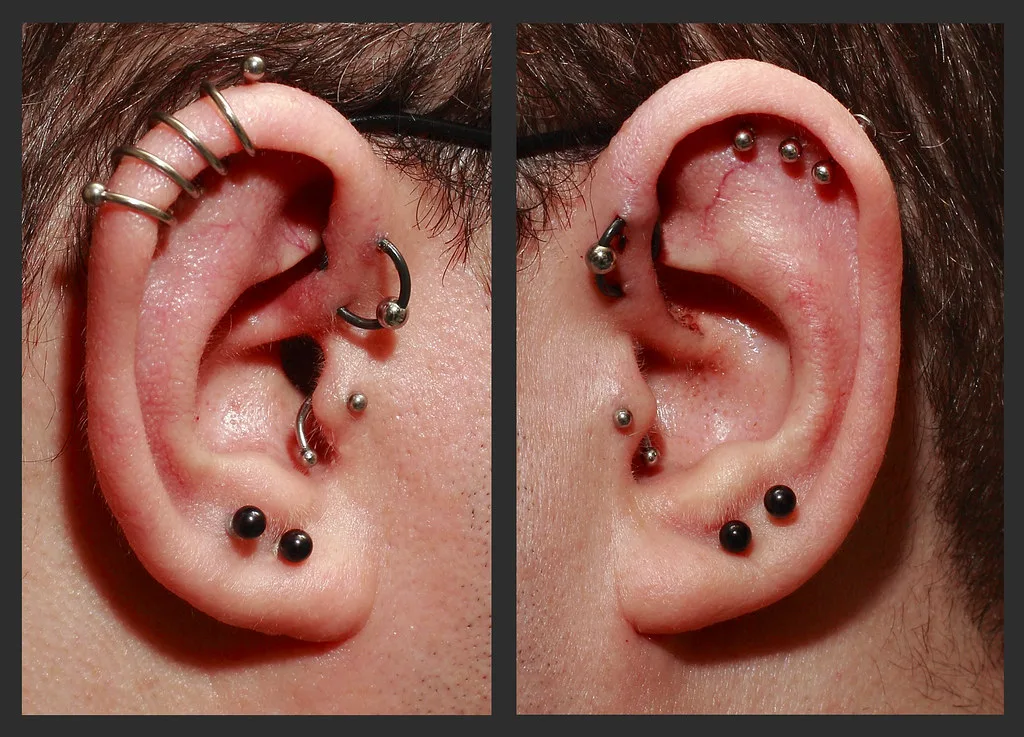
Cartilage piercing aftercare refers to the daily habits and cleaning routines that protect a new piercing while your body heals. Cartilage has less blood flow than soft tissue, which means healing takes longer and infections are harder to fight. Proper aftercare reduces pain, prevents irritation bumps, and lowers the risk of infection or permanent scarring. Skipping aftercare or using harsh products is one of the main reasons cartilage piercings fail to heal properly.
How Long Do Cartilage Piercings Take to Heal
Cartilage piercing healing time varies depending on placement and care, but most take between 6 and 12 months to fully heal. Initial swelling and soreness usually last 2 to 4 weeks, while deeper healing continues for several months. Even if the piercing looks healed on the outside, the inside tissue may still be fragile. This is why proper aftercare should continue well past the first few weeks.
How to Clean a Cartilage Piercing Correctly
Cleaning is the foundation of cartilage piercing aftercare. Clean your piercing twice a day using sterile saline solution. Spray or soak the area gently, allowing crusties to soften before removing them with clean hands. Do not twist or rotate the jewelry, as this can damage healing tissue. Always pat the area dry with a clean paper towel instead of fabric towels that can harbor bacteria.
Step-by-step cleaning routine
- Wash hands thoroughly
- Apply sterile saline to the piercing
- Let crusts soften naturally
- Gently clean without twisting jewelry
- Dry completely
Best Cleaning Products for Cartilage Piercings
The best product for cartilage piercing aftercare is sterile saline solution with no additives. Avoid alcohol, hydrogen peroxide, antibiotic ointments, or homemade salt mixes, as they can dry out the skin and delay healing. If irritation occurs, less cleaning is often better than more, as overcleaning can cause inflammation.
How to Sleep with a Cartilage Piercing
Sleeping is one of the biggest challenges during cartilage piercing healing. Pressure from sleeping on the piercing can cause swelling, pain, and bumps. The safest sleeping positions are on your back or the opposite side of the piercing. Many people use a donut or travel pillow to keep pressure off the ear while sleeping on their side. Keeping pillowcases clean is also essential to reduce bacteria exposure.
Sleeping tips
- Avoid sleeping directly on the piercing
- Use a travel pillow or donut pillow
- Change pillowcases frequently
Hair Care Tips to Protect Your Cartilage Piercing
Hair is a common source of irritation for cartilage piercings. Hair can snag jewelry, trap bacteria, and cause repeated trauma. During healing, keep hair tied back whenever possible, especially while sleeping or cleaning the piercing. Avoid hair products like sprays, gels, and oils near the piercing, as residue can cause irritation or bumps. Washing hair regularly and rinsing thoroughly helps keep the area clean.
Common Aftercare Mistakes to Avoid
Many cartilage piercing problems come from simple mistakes. Touching the piercing with dirty hands introduces bacteria. Changing jewelry too early can restart swelling and delay healing. Overcleaning with harsh products dries out skin and causes bumps. Swimming in pools, oceans, or hot tubs before the piercing heals increases infection risk. Avoiding these mistakes is just as important as proper cleaning.
Cartilage Piercing Bumps, Swelling, and Irritation
Swelling and small bumps are common during cartilage piercing healing. These are often irritation bumps rather than infections. Causes include pressure from sleeping, tight jewelry, or hair snagging. Reducing irritation, maintaining proper cleaning, and being patient usually resolves the issue. Signs of infection include severe pain, thick yellow or green discharge, excessive heat, or fever, and should be evaluated by a professional.
Pros and Cons of Cartilage Piercings
Cartilage piercings offer unique styling options and a modern look, but they require commitment to aftercare. Pros include long-lasting style, versatility, and minimal stretching risk. Cons include longer healing times, higher irritation risk, and discomfort while sleeping during early healing. Understanding both sides helps set realistic expectations.
Cartilage Piercing Aftercare FAQs
How often should I clean my cartilage piercing?
Clean twice daily with sterile saline during the healing period.
Can I sleep on my cartilage piercing?
Avoid sleeping on it for at least 6 to 8 weeks to prevent irritation.
Is redness normal during healing?
Mild redness and warmth are normal early on but should gradually improve.
Can hair products cause piercing bumps?
Yes, sprays, oils, and gels can irritate healing cartilage piercings.
When can I change cartilage piercing jewelry?
Wait at least 6 months and ideally consult a professional piercer.
How do I know if my piercing is infected?
Severe pain, thick pus, increasing swelling, and fever are warning signs.
Read Also: Helix Piercing Pain Scale: What It Really Feels Like
Final Thoughts: Heal Your Cartilage Piercing the Right Way
Cartilage piercing aftercare is not complicated, but it does require consistency and patience. Proper cleaning, mindful sleeping habits, and smart hair care can dramatically reduce healing time and prevent painful complications. By following these guidelines and avoiding common mistakes, you give your piercing the best chance to heal beautifully and last for years. If you’re planning more piercings or building a curated ear, mastering aftercare is the most important step.
👉 Explore our other piercing guides to learn healing timelines, jewelry tips, and styling ideas for every ear piercing.