Eyebrow piercings have gained significant attention as a popular form of body modification and personal expression. This type of piercing involves inserting jewelry through the skin of the eyebrow area, creating a striking aesthetic that many individuals find appealing. The origins of eyebrow piercings can be traced back to various cultures; they have been utilized for centuries as symbols of beauty, status, or religious beliefs. In some cultures, such as among certain Indigenous tribes, eyebrow piercings carried spiritual meanings and were considered rites of passage.
In contemporary society, the appeal of an eyebrow piercing has surged, especially among younger demographics. This body modification represents not just fashion, but also individuality and a sense of belonging within various subcultures. As people seek to showcase their uniqueness, eyebrow piercings can serve as both an accessory and a form of self-identity. Moreover, the increasing visibility of eyebrow piercings in popular culture, driven by celebrities and influencers, has further contributed to their mainstream acceptance.
Understanding the healing time associated with eyebrow piercings is crucial for individuals considering this modification. After the initial procedure, the body undergoes several stages of healing, which can affect the longevity and appearance of the piercing. Neglecting proper aftercare can lead to complications such as infections or prolonged healing times. Therefore, those who have recently undergone or are planning to undergo an eyebrow piercing should prioritize familiarizing themselves with the expected healing process, as well as the necessary care involved, to ensure a positive outcome.
Table of Contents
Healing Time: A General Overview
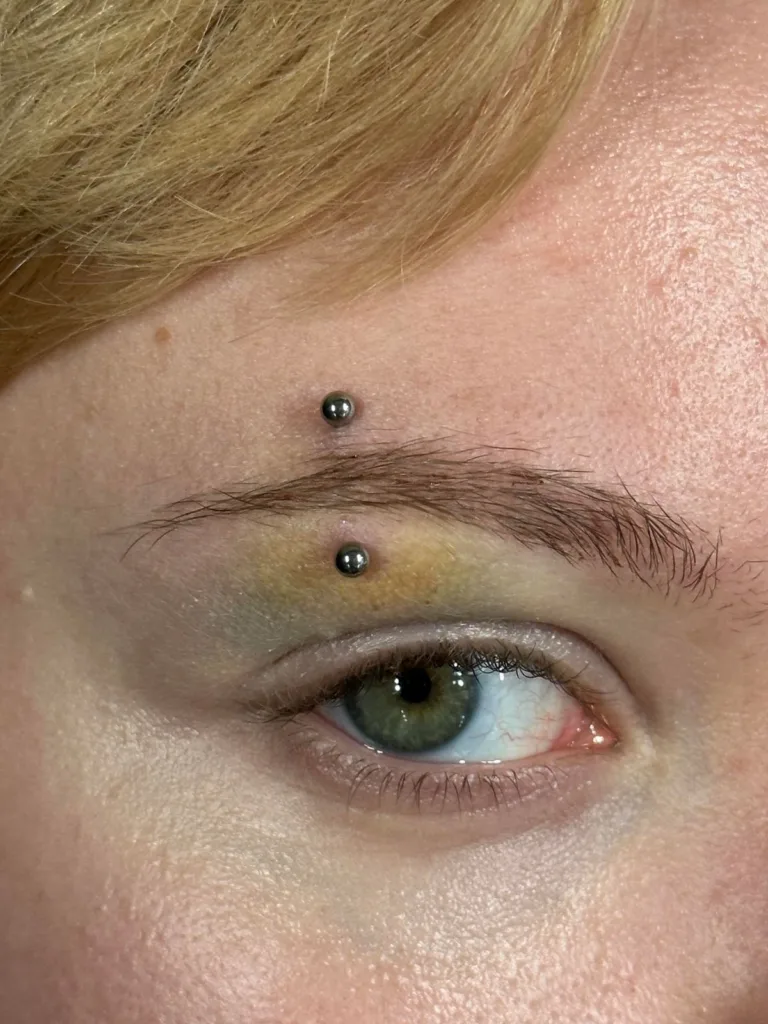
Understanding the healing time associated with eyebrow piercings is essential for individuals considering this form of body modification. The healing journey is often segmented into three distinct phases: initial healing, intermediate healing, and complete healing, each with its own timeline and care instructions.
Initially, the first phase of healing, often referred to as the initial healing phase, typically occurs within the first 1 to 2 weeks following the piercing procedure. During this time, it is common to experience some swelling, tenderness, and minor bleeding as the body begins to repair the newly created piercing. For optimal healing, it is crucial to follow aftercare instructions diligently, avoiding any irritants that could exacerbate inflammation or delay recovery.
Following the initial healing period, the intermediate healing phase usually spans from 2 to 8 weeks. At this point, the swelling and tenderness should gradually subside. However, the piercing may still be sensitive and require careful handling to prevent complications such as infections or migration. During this time, individuals may notice a formation of healing tissue around the piercing, signaling that the body is effectively working to close the wound.
Finally, the complete healing process may take anywhere from 8 weeks to up to a year. This depends on individual factors, including skin type, general health, and adherence to aftercare protocols. It is important to note that while the external appearance of the piercing may seem healed, the inner tissue may take longer to form a full barrier. Regular follow-ups with a professional piercer can ensure that the healing is progressing as expected.
Factors Affecting Healing Time
The healing time for eyebrow piercings is influenced by a variety of factors that can vary from person to person. One significant aspect is individual health. If a person has underlying health conditions, such as diabetes or an autoimmune disorder, their body may have a reduced ability to heal, resulting in longer recovery times. Additionally, certain medications can impede the healing process, making it vital to consult with a healthcare provider before undergoing any body piercing.
Lifestyle choices also play a critical role in the healing timeline. For instance, habits like smoking and excessive alcohol consumption can adversely affect circulation, diminishing the body’s natural healing mechanisms. Those who smoke may find their tattoos or piercings take longer to heal due to decreased blood flow. Similarly, consuming alcohol can lead to dehydration, further complicating the process. Therefore, individuals should consider modifying these behaviors during the initial healing phase to foster a quicker recovery.
Moreover, the practices involved in aftercare significantly shape healing outcomes. Proper cleaning routines and avoiding irritants are essential. Following a professional’s aftercare instructions diligently can help reduce the risk of infection, which is a common cause of prolonged healing times. Lastly, the specific type and location of the piercing also have a role in healing duration. Different piercing techniques, jewelry materials, or placement on the eyebrow can lead to varied healing experiences. Understanding these factors is crucial for anyone considering an eyebrow piercing, as they will dictate both the healing time and overall comfort during the process.
Signs of Proper Healing vs. Complications
Understanding the signs of proper healing following an eyebrow piercing is essential for anyone considering this form of body modification. Typically, the healing process will exhibit certain normal symptoms that reflect the body’s natural response to the trauma inflicted by the piercing. Commonly, individuals may experience mild swelling and redness around the piercing site during the initial healing phase, which generally resolves in a matter of days. This reaction is a healthy indication that the body is localized in its efforts to heal.
In the first few weeks post-piercing, some tenderness and minor irritation are also expected. As the healing progresses, normal signs include the gradual reduction of swelling, a shift from bright red to a more muted color around the piercing, and the shedding of small amounts of tissue, which is part of the body’s healing process. At this stage, it is also crucial to adhere to aftercare instructions to facilitate healing and minimize complications.
However, distinguishing between normal healing signs and potential complications is vital. Alarming signs such as increased redness, especially if it appears to be spreading, pus or discharge that has a foul odor, or unusually prolonged pain may indicate an infection or potential rejection of the piercing. Any of these symptoms should prompt immediate consultation with a professional piercer or healthcare provider. Alongside these, any development of excessive swelling that exacerbates rather than subsides could signify an adverse reaction and requires attention.
Being vigilant about the healing process can effectively lead to a successful piercing experience. It is essential to monitor the site and respond accordingly to ensure your piercing heals properly and remains safe from complications.
Essential Aftercare Tips for Eyebrow Piercings
After getting an eyebrow piercing, proper aftercare is crucial for ensuring a smooth healing process and reducing the risk of infection or complications. It is essential to establish a cleaning routine that maintains the hygiene of the pierced area. One of the first steps is to clean the piercing site twice a day using a saline solution or an alcohol-free antiseptic spray. It is advisable to avoid alcohol and hydrogen peroxide, as these substances can irritate the piercing and impede healing.
When it comes to cleaning, employ a cotton ball or a clean paper towel to gently dab the solution onto the piercing. Avoid using cotton swabs as they may leave fibers behind or irritate the area. Always remember to wash your hands thoroughly before touching the piercing or the surrounding area to prevent transferring bacteria.
After cleaning, it is critical to allow the area to dry naturally without the use of towels, which may harbor bacteria. As part of your aftercare, avoid playing with the jewelry or changing it during the healing period, which typically ranges from 6 to 8 weeks. Moving or touching the jewelry can introduce bacteria and cause irritation. Furthermore, avoid swimming pools, hot tubs, or any bodies of water for at least a month post-piercing, as these can expose the piercing to potentially harmful organisms.
Additionally, wearing makeup near the piercing should be limited until it is fully healed. Products like creams or powders can irritate the area or cause infections. If redness, swelling, or unusual discharge occurs, consult a healthcare professional promptly, as these may be signs of infection. Adhering to these aftercare tips will significantly enhance the healing process of your eyebrow piercing.
What to Avoid During the Healing Process
When it comes to eyebrow piercing, the healing process is vital to achieving a successful outcome without complications. There are several behaviors and practices that should be strictly avoided to ensure your piercing heals effectively.
Firstly, it is essential to steer clear of applying makeup around the piercing site. Foundations, powders, and other cosmetics can introduce bacteria and hinder the healing process. Even if it may be tempting to cover the piercing, it is crucial to keep the area clean and free from any cosmetic products until full healing is achieved.
Swimming in pools, hot tubs, or natural bodies of water is another activity to avoid. Water from these sources can contain bacteria or harsh chemicals that can lead to infections or irritations. It is advisable to wait until the piercing has fully healed before engaging in any water-related activities.
Touching the piercing is also discouraged. Frequent touching can transfer oils and bacteria from your hands to the wound, increasing the risk of infection. It is crucial to resist the temptation to play with or twist the jewelry during the healing period, as this can further irritate the area.
Engaging in sports or physical activities that may result in trauma to the eyebrow area should also be minimized. Contact sports or rigorous exercise routines can place undue stress on the piercing, potentially leading to complications.
Lastly, avoid using any harsh cleaning solutions or vigorous scrubbing when cleaning your piercing. Stick to the recommended saline solutions or aftercare products as advised by your piercer to preserve the integrity of the healing tissue. By following these essential guidelines, you can enhance the healing process and promote optimal recovery for your eyebrow piercing.
When considering eyebrow piercings, it’s important to understand how their healing time compares to other facial piercings, particularly nostril and septum piercings. Each of these types of piercings has unique healing processes and timelines, influenced by the anatomy of the area and the type of jewelry used.
Eyebrow piercings generally require a healing period of 6 to 8 weeks, which is relatively moderate compared to other facial piercings. Nostrils, for instance, typically heal within 4 to 6 months, while the septum may take about 6 to 8 weeks as well, though the overall comfort levels may vary. The healing time can depend on the individual’s body response, aftercare practices, and whether any complications arise during the healing process.
One notable difference lies in the exposure of these piercings to external elements. Eyebrow piercings can be more susceptible to irritation from clothing and make-up products, whereas nostril and septum piercings generally remain more protected. Therefore, during the healing phase, it is crucial to take special care of an eyebrow piercing to minimize the risk of infection or prolonged healing times.
Additionally, the jewelry material can also influence healing. Popular choices for eyebrow piercings include titanium and surgical stainless steel, which tend to promote better healing outcomes due to their hypoallergenic properties. For nostrils, the same materials are often recommended. However, some individuals may opt for decorative pieces, which can introduce different risks associated with material sensitivities and additional weight.
Ultimately, while eyebrow piercings typically heal at a moderate pace, it is essential to understand the distinctive characteristics of this type of piercing in comparison to others. By doing so, individuals can better prepare for the healing timeline and adhere to aftercare recommendations for optimal recovery.
When to Consult a Professional
While most eyebrow piercings heal well without complications, there are specific circumstances where consulting a professional becomes necessary. Recognizing these signs early can prevent further issues and ensure a smoother healing process.
One of the primary indicators that you should seek professional help is the presence of excessive or unusual swelling around the piercing. While some inflammation is normal during the healing process, prolonged or worsening swelling may signify an infection or an allergic reaction to the jewelry. If the swelling is accompanied by heat or if it spreads beyond the immediate area of the piercing, it is advisable to consult a piercer or a healthcare provider.
Another concerning symptom is the discharge of pus or a foul odor emanating from the piercing site. A small amount of clear fluid may be expected during healing, but if you observe green or yellow discharge, or if the area smells unpleasant, it is crucial to seek assistance. These symptoms are often indicative of an infection that requires medical treatment.
Additionally, if you experience severe pain that does not improve over time, it is a signal that you should reach out to a professional. Mild discomfort can occur, but persistent or escalating pain can be an indicator of complications that need to be addressed immediately. Furthermore, if you notice any changes in your overall health, such as fever or fatigue, it may be related to the piercing and should not be ignored.
Ultimately, taking proactive measures and reaching out when facing abnormal symptoms can make a significant difference in your healing journey. A reputable piercer or a healthcare professional can provide the necessary guidance and interventions to ensure optimal healing.
Read Also: Double Helix Piercing: Complete Guide, Healing Time, Pain & Aftercare (2026)
Your Eyebrow Piercing Journey
In this blog post, we have explored the intricacies of eyebrow piercing, focusing on its healing time and essential aftercare practices. Understanding the duration of the healing process, which typically spans six to eight weeks, is crucial for anyone considering this popular body modification. Proper aftercare plays a significant role in ensuring a smooth healing process, minimizing the risk of infection, and promoting optimal results.
Throughout our discussion, we highlighted the importance of following a dedicated aftercare routine, which includes cleaning the piercing with saline solution, avoiding harsh chemicals, and steering clear of unnecessary touch. This meticulous attention to detail not only supports the healing of the eyebrow piercing but also enhances the aesthetic appeal of the jewelry once fully healed. It is important to be patient; rushing the process can lead to complications that detract from the overall experience.
Readers should remember that individual healing times can vary based on personal health factors, lifestyle, and adherence to care guidelines. Engaging with professional piercers and seeking advice when needed can also make a significant difference in achieving a successful result. Ultimately, the investment of time and care in the healing phase will culminate in a beautiful eyebrow piercing that elevates one’s personal style.
As you embark on your piercing journey, take ownership of your aftercare practices. Stay informed, stay gentle, and prioritize your comfort as you watch your eyebrow piercing evolve into a stunning expression of individuality. With diligence and thoughtfulness, your piercing experience will be both rewarding and enjoyable.