A helix piercing looks effortlessly stylish. Whether you chose a delicate stud or a sleek hoop, this upper ear cartilage piercing instantly upgrades your aesthetic. But here’s the truth most people learn too late: helix piercing aftercare determines whether your piercing heals beautifully—or becomes a months-long struggle.
Cartilage piercings are notorious for slow healing, irritation bumps, and stubborn infections. The good news? Most complications are completely preventable with the right aftercare routine.
In this complete guide, you’ll learn exactly what to do, what to avoid, and the most common helix piercing mistakes that sabotage healing. Whether you’re a beginner or already healing one, this guide will help you protect your investment and your ear.
Table of Contents
What Is a Helix Piercing?
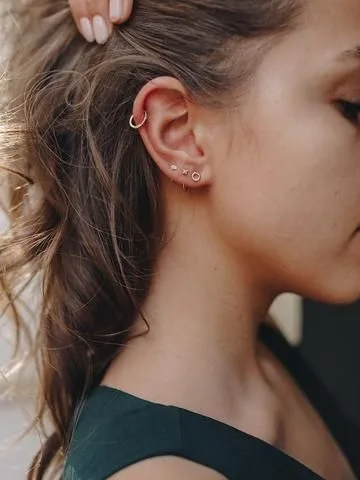
Image Prompt:
Ultra-high quality, Pinterest-optimized vertical image (1000×1500), professional lighting, aesthetic composition, realistic style, labeled ear anatomy focusing on the upper cartilage helix area with a small stud piercing, clean studio background, no text, no watermark
A helix piercing is placed along the outer upper cartilage of the ear. Unlike lobe piercings, which go through soft tissue, helix piercings pass through cartilage.
Because cartilage has less blood flow than soft tissue, healing takes longer and requires more attentive care.
Healing Time Overview
- Average healing time: 3–9 months
- Full internal healing: up to 12 months
- Initial swelling phase: 1–3 weeks
Proper helix piercing aftercare significantly shortens complications and supports smoother healing.
Why Helix Piercing Aftercare Is So Important
Cartilage piercings are more prone to:
- Irritation bumps
- Prolonged swelling
- Migration or rejection
- Infection
- Hypertrophic scarring
Unlike lobe piercings, cartilage doesn’t “bounce back” easily. Poor aftercare can lead to months of discomfort or permanent tissue damage.
The goal of proper aftercare is simple:
Reduce bacteria, minimize irritation, and allow the body to heal naturally.
The Essential Helix Piercing Aftercare Routine
Image Prompt:
Ultra-high quality, Pinterest-optimized vertical image (1000×1500), professional lighting, aesthetic composition, realistic style, flat lay of saline spray, sterile gauze, clean towel, and minimal jewelry arranged neatly on marble surface, no text, no watermark
A simple routine works best. Over-cleaning is just as harmful as neglect.
Step 1: Clean Twice Daily
Use sterile saline solution (0.9% sodium chloride). Spray directly onto the piercing or soak sterile gauze and gently press against the area for 5–10 minutes.
Avoid rotating the jewelry.
Step 2: Rinse in the Shower
Let warm water run over the piercing to remove debris. No soap directly on the piercing unless advised by your piercer.
Step 3: Pat Dry
Use disposable paper towels or sterile gauze. Avoid cloth towels, which can harbor bacteria.
Do’s of Helix Piercing Aftercare
✔ Use Implant-Grade Jewelry
Choose:
- Implant-grade titanium
- 14k or 18k gold
- Surgical steel (only if not sensitive)
Low-quality metals increase irritation and allergic reactions.
✔ Keep Hands Off
Touching introduces bacteria. Only handle your piercing when cleaning—and wash hands first.
✔ Sleep Smart
Use a travel pillow or donut pillow to avoid pressure. Pressure causes irritation bumps and prolonged swelling.
✔ Keep Hair Away
Hair products, oils, and friction can delay healing. Tie long hair back when possible.
✔ Downsize Jewelry
Around 6–8 weeks (if swelling has reduced), visit your piercer to downsize. Long initial bars can cause movement and irritation.
Don’ts: What You Should Never Do
✘ Don’t Use Alcohol or Hydrogen Peroxide
These are too harsh and damage healing tissue.
✘ Don’t Twist or Rotate the Jewelry
Old advice suggested rotating jewelry. Modern piercing standards say otherwise. Movement tears healing tissue.
✘ Don’t Change Jewelry Too Early
Changing jewelry before full healing can restart the healing process.
✘ Don’t Sleep on It
Even occasional pressure can cause irritation bumps.
✘ Don’t Overclean
Cleaning more than twice daily can dry and irritate cartilage.
Common Helix Piercing Mistakes to Avoid
1. Using Cotton Swabs
Fibers can wrap around jewelry and introduce bacteria.
2. Switching to a Hoop Too Soon
Hoops move more than studs. Wait until fully healed before switching.
3. Ignoring Minor Irritation
Small bumps often result from pressure or jewelry length. Early correction prevents long-term issues.
4. DIY Treatments
Tea tree oil, aspirin paste, or homemade remedies often worsen irritation.
Sleeping, Hair, and Lifestyle Tips
Sleeping Tips
- Use silk pillowcases to reduce friction
- Alternate sides carefully
- Travel pillow method works best
Gym & Sweat
Sweat itself isn’t harmful, but bacteria buildup is. Rinse after workouts.
Swimming
Avoid pools, lakes, and hot tubs for at least 4–6 weeks. Chlorine and bacteria increase infection risk.
Signs of Infection vs. Normal Healing
Normal Healing Signs
- Mild swelling
- Light redness
- Clear or pale yellow discharge
- Slight tenderness
Infection Signs
- Severe swelling
- Spreading redness
- Thick green or dark discharge
- Fever
- Intense throbbing pain
If infection symptoms appear, consult a healthcare professional promptly.
For authoritative aftercare standards, review guidelines from the Association of Professional Piercers.
When to See a Professional
Visit your piercer if you notice:
- Persistent irritation bumps
- Jewelry embedding
- Sudden severe swelling
- Migration
Seek medical care if symptoms include fever or spreading redness.
Pros and Cons of Helix Piercings
Pros
- Highly customizable
- Works with studs or hoops
- Elegant and versatile
- Can stack multiple piercings
Cons
- Long healing time
- Sensitive to pressure
- Prone to irritation if mishandled
FAQ – People Also Ask
How long does helix piercing aftercare last?
You should follow strict aftercare for at least 3–6 months. Even if it feels healed, cartilage heals internally for up to a year.
Can I sleep on my helix piercing?
Avoid sleeping on it for at least 3 months. Pressure causes irritation bumps.
Is saline the only thing I should use?
Yes. Sterile saline solution is the safest option for cleaning.
Why do I have a bump on my helix piercing?
Most bumps are irritation bumps caused by pressure, friction, or incorrect jewelry length.
When can I change my helix jewelry?
Usually after 3–6 months, but confirm with your piercer.
Can I swim with a new helix piercing?
It’s best to avoid swimming for at least 4–6 weeks.
Read Also: Rook Piercing Healing Time: How to Heal Faster & Avoid Problems (2026)
Read Also: Daith Piercing Healing Time: What to Expect Month by Month
Conclusion: Protect Your Helix Investment
A helix piercing is more than jewelry—it’s a long-term commitment. The difference between smooth healing and months of frustration comes down to consistent, gentle aftercare.
Keep it simple.
Use sterile saline.
Avoid pressure.
Don’t rush jewelry changes.
If you follow these helix piercing aftercare do’s and don’ts, you dramatically reduce complications and help your piercing heal cleanly and beautifully.
Ready to heal your helix the right way? Save this guide, follow the routine daily, and consult a professional piercer whenever you’re unsure. Your future healed ear will thank you.