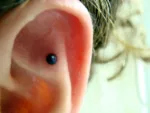
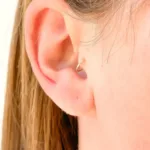
Thinking about getting a helix piercing but worried about the pain? You’re not alone. Pain is the #1 concern for people considering cartilage piercings, especially for first-timers.
The truth is, helix piercing pain is very individual, but it’s also predictable once you understand how cartilage piercings work. In this guide, we break down the helix piercing pain scale, what it really feels like during and after the piercing, how long the pain lasts, and how to minimize discomfort.
By the end of this article, you’ll know exactly what to expect. No surprises, no exaggerated horror stories.
Table of Contents
What Is a Helix Piercing?

A helix piercing is placed through the upper cartilage of the ear, along the outer rim. Unlike lobe piercings, cartilage is firmer, less flexible, and has fewer blood vessels — which directly impacts pain and healing time.
Helix piercings can be:
- Single helix
- Double or triple helix
- Forward helix
- Stacked helix
Each variation comes with slightly different pain levels, which we’ll cover later.
Helix Piercing Pain Scale Explained
Helix Piercing Pain Rating (1–10)
On average, most people rate helix piercing pain between:
👉 4 to 6 out of 10
Here’s what that means:
- Not painless like an earlobe
- Not extreme like industrial or rook piercings
- Sharp but quick pain
Why Helix Piercings Hurt More Than Lobes
- Cartilage is thicker than soft tissue
- More resistance when the needle passes through
- Pressure sensation is stronger
The good news? The actual piercing pain lasts only a few seconds.
What Does a Helix Piercing Feel Like?
Most people describe helix piercing pain as:
- A sharp pinch
- Followed by strong pressure
- A brief burning or throbbing sensation
During the Piercing
- Pain peaks for 1–3 seconds
- Eyes may water (normal reflex)
- You’ll hear or feel a slight “pop” as the needle passes through cartilage
Immediately After
- Warmth and soreness
- Mild swelling
- Tender to the touch
Many people say:
“It hurt less than I expected.”
Pain Comparison: Helix vs Other Ear Piercings
| Piercing Type | Pain Level (1–10) |
|---|---|
| Earlobe | 1–2 |
| Helix | 4–6 |
| Tragus | 4–5 |
| Conch | 6–7 |
| Rook | 7–8 |
| Industrial | 7–9 |
Helix piercings are considered moderate pain, making them a popular first cartilage piercing.
Factors That Affect Helix Piercing Pain
1. Your Pain Tolerance
Pain is subjective. What’s a 4 for one person may be a 7 for another.
2. Piercer Skill
An experienced piercer:
- Uses proper needle technique
- Works quickly and confidently
- Minimizes trauma
3. Jewelry Choice
Initial jewelry matters:
- Flat-back labret studs hurt less than hoops
- Lightweight titanium reduces pressure
4. Placement
- Higher helix = thicker cartilage = slightly more pain
- Forward helix may feel sharper
5. Stress & Anxiety
Tensing up increases pain perception. Relaxation helps more than people think.
Pain Timeline: Day by Day & Week by Week
Day 1–3
- Swelling
- Throbbing
- Sensitivity when touched
Pain level: 3–5/10
Week 1–2
- Pain decreases
- Occasional soreness
- Sensitive when sleeping on it
Pain level: 2–3/10
Week 3–6
- Mostly painless
- Discomfort only if bumped
Pain level: 1–2/10
Month 2–6
- Internal healing continues
- Rare tenderness
Important: Healing ≠ pain-free. Cartilage takes 6–12 months to fully heal.
How to Reduce Helix Piercing Pain
Before the Piercing
- Eat beforehand
- Stay hydrated
- Avoid alcohol and caffeine
- Get enough sleep
During the Piercing
- Breathe slowly
- Don’t tense your shoulders
- Trust your piercer
Aftercare Tips
- Clean with sterile saline 2x daily
- Avoid sleeping on that side
- Don’t twist the jewelry
- Avoid headphones and tight hats
Common Pain-Related Problems
Normal Pain
- Soreness
- Mild swelling
- Heat
Not Normal Pain
- Sharp pain after weeks
- Severe swelling
- Thick yellow or green discharge
If pain worsens instead of improves, consult a professional piercer or healthcare provider.
Pros and Cons of a Helix Piercing
Pros
- Stylish and versatile
- Moderate pain level
- Works with many jewelry styles
- Easy to stack
Cons
- Longer healing time
- Easily irritated by sleeping
- Requires patience with aftercare
FAQs: Helix Piercing Pain (People Also Ask)
How painful is a helix piercing really?
Most people rate it 4–6 out of 10. Pain is sharp but very brief.
Is helix piercing pain worse than tragus?
Usually slightly more painful than tragus, but less than conch or rook.
How long does helix piercing pain last?
Strong pain lasts seconds. Soreness may last 1–2 weeks.
Can I sleep on my helix piercing?
Not recommended for the first 4–6 weeks.
Does helix piercing hurt more with a gun?
Yes. Piercing guns cause more trauma and pain. Always choose a needle.
Does a double helix hurt twice as much?
The second piercing often hurts slightly more due to swelling, but still manageable.
Final Thoughts: Is Helix Piercing Pain Worth It?
A helix piercing may not be painless, but it’s far from unbearable. With a pain level that’s moderate, brief, and manageable, it remains one of the most popular cartilage piercings worldwide.
If you choose a professional piercer, follow proper aftercare, and stay patient during healing, the pain becomes a small price to pay for a stylish, timeless piercing.
Read Also:
Conch Piercing Healing Time: Inner vs Outer Conch (2026)
Helix Piercing Healing Time: Week-by-Week Guide (2026)
Daith Piercing Healing Time: What to Expect Month by Month
👉 Thinking about getting your helix pierced? Save this guide, share it, and explore our other piercing care articles to get the best results possible.