A smiley piercing is small, subtle, and often hidden, but healing it properly is more important than most people realize. This delicate piercing sits inside the mouth, connecting to a thin piece of tissue that can easily become irritated if not cared for correctly.
Many people assume smiley piercings heal quickly and require minimal care. While it’s true that oral piercings tend to heal faster than cartilage piercings, the smiley piercing comes with unique risks. Gum irritation, tooth damage, and jewelry rejection are all possible if aftercare is neglected.
Understanding smiley piercing healing time and proper aftercare helps prevent complications and ensures your piercing heals comfortably. This guide explains the full healing timeline, what to expect week by week, and the best aftercare practices for safe healing.
Whether you’re planning to get a smiley piercing or already have one, this complete guide will help you heal with confidence.
Table of Contents
What Is a Smiley Piercing?
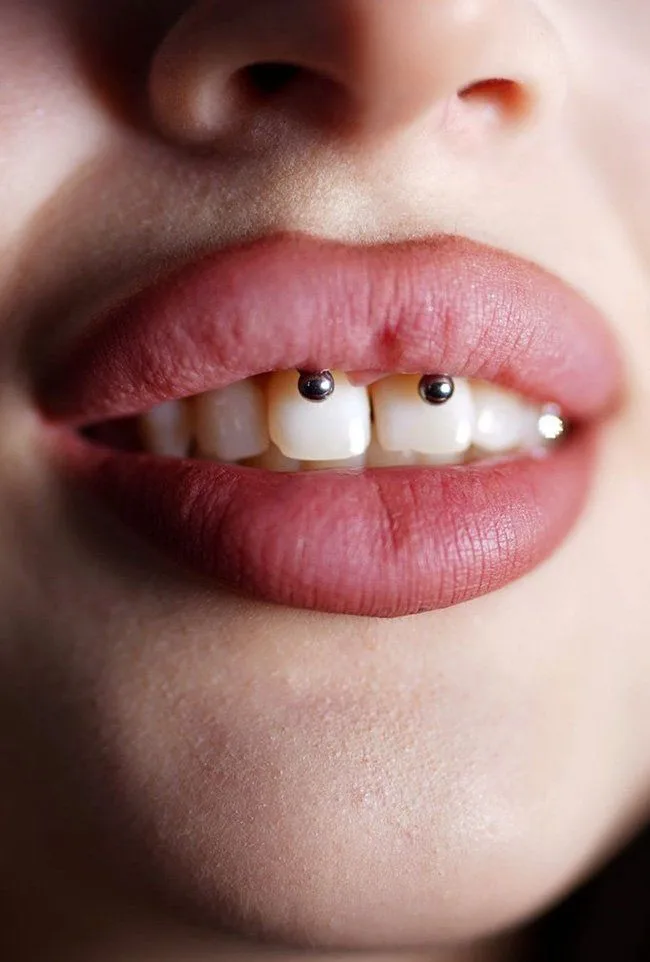
A smiley piercing is a small oral piercing placed through the thin piece of tissue connecting the upper lip to the gums. This tissue is called the frenulum.
When you smile, the jewelry becomes visible, hence the name “smiley piercing.”
Smiley piercings typically use:
- Small captive bead rings
- Seamless rings
- Circular barbells
Because the frenulum is thin and delicate, not everyone has anatomy suitable for this piercing. A professional piercer should always evaluate your frenulum before piercing.
Many piercers follow safety standards from organizations like the Association of Professional Piercers to ensure proper placement and minimize risks.
How Long Does a Smiley Piercing Take to Heal?
The average smiley piercing healing time is:
- Initial healing: 2–4 weeks
- Functional healing: 4–8 weeks
- Full stabilization: 2–3 months
Smiley piercings often heal faster than most facial piercings because of the mouth’s natural healing ability. However, fast healing doesn’t mean you can skip aftercare.
Healing time varies depending on:
- Oral hygiene
- Jewelry type
- Diet
- Smoking habits
- Aftercare routine
Even if the piercing feels healed after a few weeks, internal tissue healing may still be ongoing.
Smiley Piercing Healing Stages
Understanding healing stages helps you know what’s normal and what’s not.
Week 1: Fresh Piercing Stage
During the first week, the area is sensitive and swollen.
You may notice:
- Mild swelling
- Slight bleeding
- Tenderness
- Increased saliva production
This is completely normal and usually improves quickly.
You should avoid:
- Touching the jewelry
- Spicy foods
- Smoking
- Alcohol
Weeks 2–3: Early Healing Stage
Swelling usually decreases during this stage.
You may experience:
- Less tenderness
- Slight redness
- Occasional irritation
Cleaning remains important during this phase.
Many people mistakenly think their piercing is healed at this point, but it is still vulnerable.
Weeks 4–8: Stabilization Stage
During this phase:
- Tissue strengthens
- Irritation decreases
- Comfort improves
You can usually change jewelry after this stage, but only if healing is complete.
After 2 Months: Healed Piercing
A healed smiley piercing should:
- Feel comfortable
- Not swell
- Not hurt
- Move freely
If discomfort persists, healing may still be ongoing.
Factors That Affect Healing Time
Not all smiley piercings heal at the same speed.
Oral Hygiene
Good hygiene helps prevent bacteria buildup and speeds healing.
Poor hygiene can lead to:
- Infection
- Irritation
- Delayed healing
Jewelry Quality
High-quality jewelry heals better than cheap metals.
Recommended materials include:
- Implant-grade titanium
- Surgical steel
- 14k gold
Cheap jewelry can cause irritation and rejection.
Smoking and Alcohol
Smoking slows healing and introduces bacteria.
Alcohol can irritate tissue and dry the mouth.
Reducing or avoiding these during healing helps significantly.
Diet
Certain foods can irritate the piercing.
Avoid:
- Spicy foods
- Acidic foods
- Crunchy foods
- Sticky foods
Soft foods are easier during early healing.
Smiley Piercing Aftercare Routine
Proper aftercare is essential for safe healing.
Cleaning Routine
Clean your piercing:
- Twice daily
- After meals (if possible)
Use:
- Saline solution
- Alcohol-free mouthwash
Avoid:
- Alcohol-based mouthwash
- Peroxide
- Harsh chemicals
Saltwater Rinse Method
Saltwater rinses help reduce bacteria.
Instructions:
- Mix warm water with sea salt
- Swish gently for 30 seconds
- Spit out
- Do not swallow
This method is simple and effective.
Daily Care Tips
Good habits include:
- Washing hands before touching
- Brushing gently
- Staying hydrated
- Avoiding unnecessary contact
What to Eat During Healing
Food choices can affect healing.
Best Foods
Choose:
- Yogurt
- Soup
- Smoothies
- Scrambled eggs
- Soft fruits
These foods reduce irritation.
Foods to Avoid
Avoid:
- Chips
- Nuts
- Citrus
- Spicy food
- Sticky candy
These foods can irritate the piercing.
Signs of Normal Healing vs Infection
Knowing the difference helps prevent complications.
Normal Healing Signs
Normal signs include:
- Mild swelling
- Slight redness
- Tenderness
- Clear fluid
These symptoms usually improve quickly.
Infection Signs
Warning signs include:
- Severe swelling
- Persistent pain
- Yellow or green discharge
- Bad smell
- Fever
If symptoms worsen, consult a professional.
Common Smiley Piercing Problems
Smiley piercings are small but can have complications.
Gum Irritation
Jewelry rubbing against gums can cause irritation.
This is one of the most common issues.
Tooth Damage
Metal jewelry can contact teeth.
Over time this may cause:
- Enamel wear
- Sensitivity
- Chips
Rejection
Because the frenulum is thin, rejection is possible.
Signs include:
- Jewelry moving
- Tissue thinning
- Increased visibility
Tearing
The frenulum can tear if jewelry gets caught.
Avoid:
- Playing with jewelry
- Pulling
- Rough contact
Jewelry and Healing
Jewelry plays a major role in healing.
Best Jewelry Types
Recommended jewelry:
- Small rings
- Lightweight jewelry
- Smooth edges
Jewelry Size
Correct sizing prevents irritation.
Jewelry that is too large:
- Moves excessively
- Causes irritation
Jewelry that is too tight:
- Causes pressure
- Delays healing
When to Change Jewelry
Most people can change jewelry after:
- 4–8 weeks
Always confirm healing first.
Pros and Cons of Smiley Piercings
Pros
Benefits include:
- Unique appearance
- Subtle look
- Fast healing
- Minimal visibility
Cons
Drawbacks include:
- Gum contact
- Tooth contact
- Limited anatomy
- Possible rejection
- Short lifespan
Tips for Faster Healing
Small habits can improve healing.
Helpful Tips
- Rinse after meals
- Stay hydrated
- Eat soft foods
- Avoid smoking
- Clean regularly
Things That Slow Healing
Avoid:
- Touching jewelry
- Playing with jewelry
- Poor hygiene
- Smoking
- Alcohol
When to See a Professional
Seek help if you notice:
- Persistent swelling
- Severe pain
- Jewelry embedding
- Rejection signs
- Infection symptoms
A piercer or healthcare provider can assess the situation.
FAQ – People Also Ask
How long does a smiley piercing take to heal?
Most smiley piercings heal in 4–8 weeks, though full healing may take up to 3 months.
Is a smiley piercing painful?
Pain is usually mild because the tissue is thin.
Can smiley piercings damage teeth?
Yes, jewelry can rub against teeth and cause damage over time.
Can everyone get a smiley piercing?
No. Some people don’t have enough frenulum tissue.
When can I change my smiley piercing?
Usually after 4–8 weeks if fully healed.
Do smiley piercings reject easily?
They can, because the tissue is thin.
Can I eat normally after a smiley piercing?
Soft foods are recommended initially, but normal eating resumes quickly.
Read Also Cartilage Piercing Aftercare: Cleaning, Sleeping, and Hair Tips
Conclusion
Smiley piercings are small but require careful healing. While the average smiley piercing healing time is shorter than many other piercings, proper aftercare is essential to prevent gum damage, irritation, and rejection.
By maintaining good oral hygiene, choosing quality jewelry, and avoiding irritation, most smiley piercings heal quickly and comfortably.
If you’re planning to get a smiley piercing or currently healing one, follow consistent aftercare and monitor for any warning signs. A little care goes a long way toward keeping your piercing healthy.
Thinking about getting a smiley piercing? Save this guide and use it as your healing roadmap.